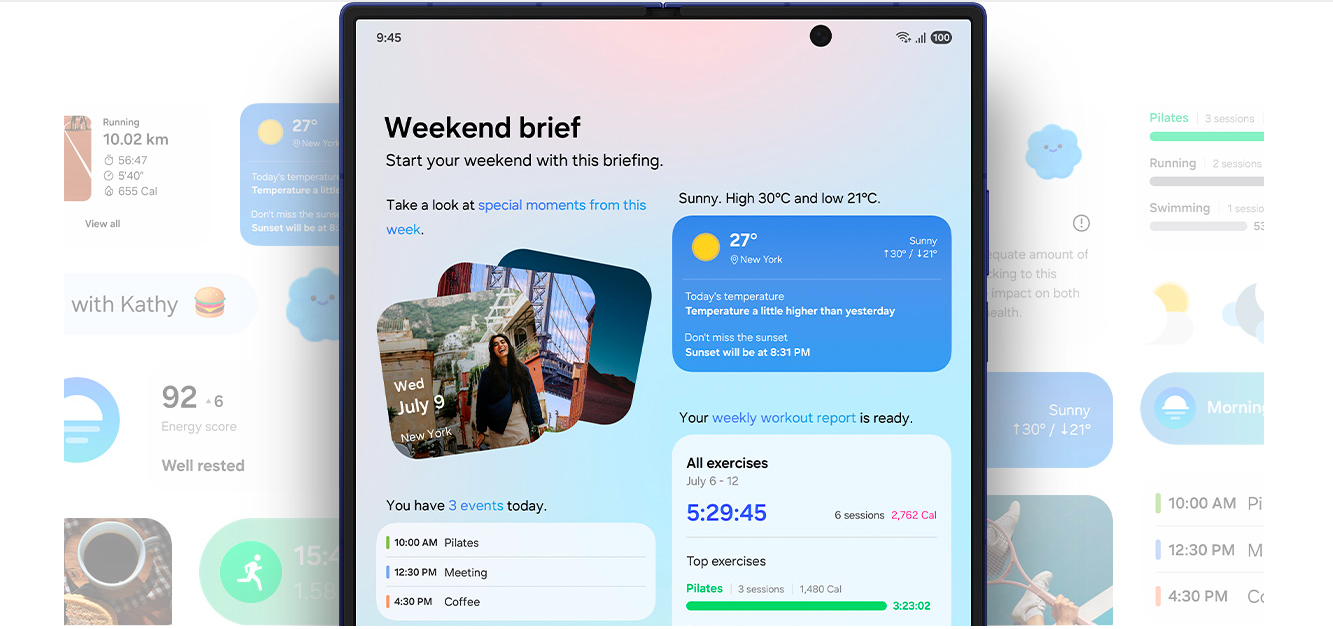

The Nothing Phone 3, unveiled in early July 2025, marks Nothing’s bold push into the premium smartphone arena. Priced from $799, it flaunts a playful yet sophisticated transparent design, the new Glyph Matrix, and flagship-grade specs such as the Snapdragon 8s Gen 4, a 6.67‑inch 120 Hz AMOLED display, and triple 50 MP cameras—all backed by a promise of 5 years of Android OS updates and 7 years of security patches.
This blog explores every nuance—from design details and performance to battery life, camera quality, software polish, and where the Phone 3 stands in a sea of conventional flagships.
Design & Display – Aesthetic Meets Functionality
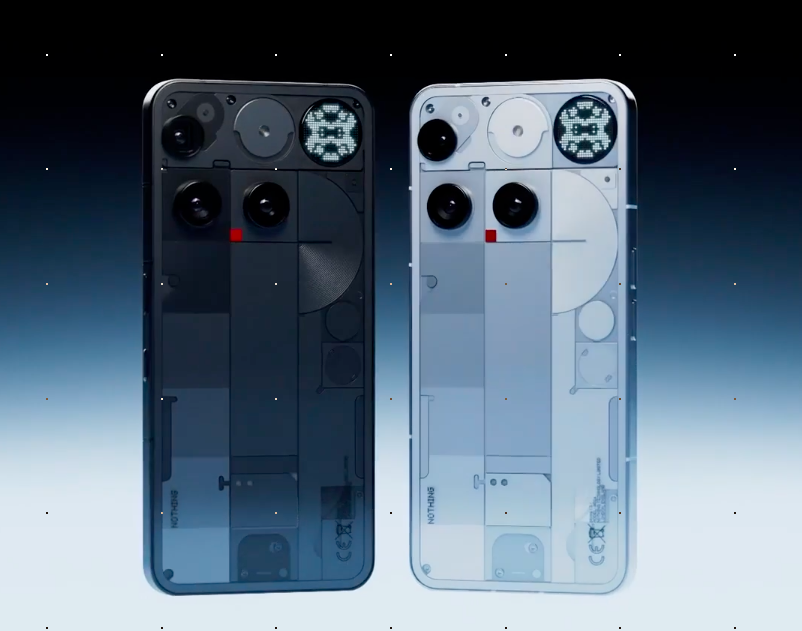
Transparent and Iconic
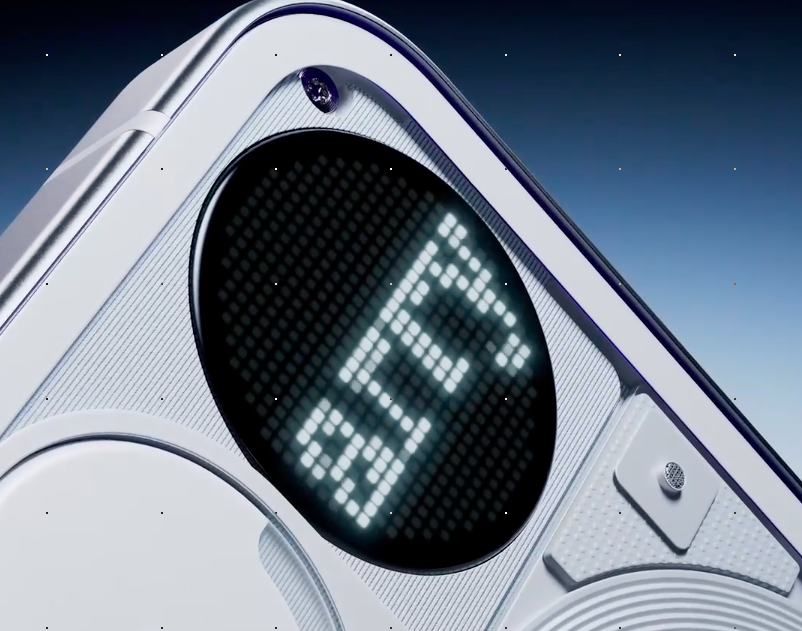
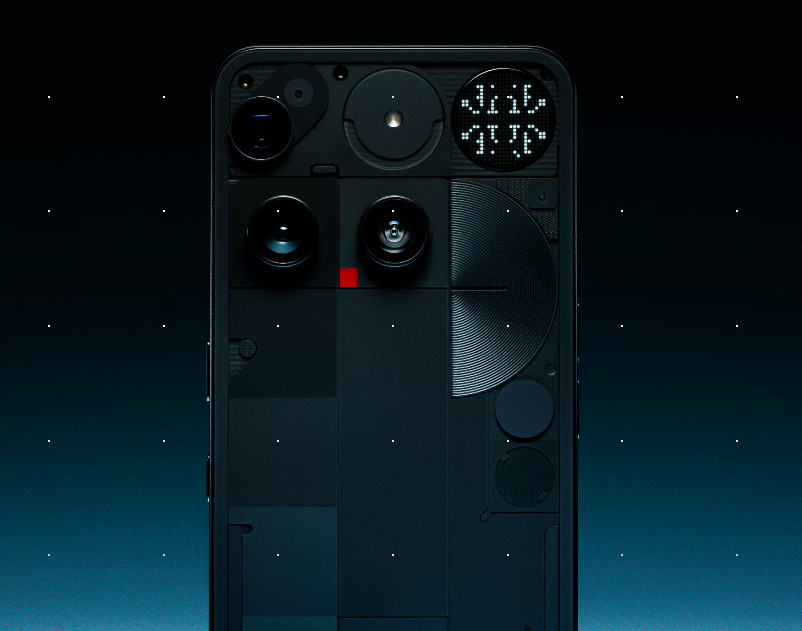
The Phone 3’s rear design showcases exposed circuits beneath a glass panel, giving it a futuristic, tech-forward vibe. Gone are the signature Glyph Lights; in their place lies the Glyph Matrix, a circular cluster of 489 LEDs that offer contact-specific notifications, tools like countdown timers and torch, and even mini‑games like spin‑the‑bottle and magic 8‑ball.
Brilliant AMOLED Visuals
The 6.67-inch flexible AMOLED display sports 1260×2800 resolution (~1.5K) with an adaptive 120 Hz refresh rate. It achieves an astonishing 4,500 nits peak brightness, offering punchy HDR10+ content even in direct sunlight. Bezels are ultra‑narrow (~1.87 mm), making the screen feel immersive.
Solid Build with IP68 Durability
Despite its playful styling, the Phone 3 is built tough—featuring IP68‑rated water and dust resistance, Gorilla Glass 7i on the front, aluminium frame, and even Victus glass on the rear in some regions—offering premium protection.
Nothing Phone 3 Hardware & Performance – Smarter, Not Just Bling
Snapdragon 8s Gen 4 Power
At its core is the Snapdragon 8s Gen 4—not the top‑tier Elite flagship processor, but fast, efficient, and more than capable for heavy multitasking, social media, browsing, and moderate gaming. Reviews note that while it offers solid real‑world performance, it trails true flagship chips like the Snapdragon 8 Elite found in Galaxy S25 or iPhone’s A18 equivalent.
Memory and Storage Options
Buyers can choose between 12 GB RAM + 256 GB storage or 16 GB RAM + 512 GB storage—both ample for heavy multitasking, large media files, and app storage. Compared to many flagship phones launching with just 128 GB, the Phone 3 starts at a generous 256 GB baseline.
Battery & Charging Speeds
The Phone 3 packs a zappy 5,150 mAh battery (or 5,500 mAh in India), paired with 65 W wired fast charging, 15 W wireless charging, and reverse wired/wireless power share. So you can charge from zero to full in under an hour—or wirelessly power up other devices. Android Central reports smooth battery life even under heavy use.
Nothing Phone 3 Camera System – Triple 50MP Setup
Primary, Telephoto, & Ultra‑Wide Lenses
Nothing upgraded to three 50 MP sensors: a wide-angle main camera with OIS and EIS, a 3x periscope telephoto lens (also with OIS/EIS and macro capabilities), and an Ultra-wide camera with a 114° field of view. Video capture reaches up to 4K at 60fps.
Selfie Camera
Up front, the Phone 3 houses a 50 MP selfie camera (f/2.2), significantly improved over its predecessor, producing clear and detailed shots even in good lighting.
Photo Quality & Limitations
While images are sharp and colorful, reviewers note occasional overexposure in bright scenes and crushed shadows in low light. Color accuracy doesn’t match stalwarts like Samsung or Apple flagships. Still, real‑world shots are solid for the price.
Software & Updates – Clean, Smart, and Long‑Term
Nothing OS 3.5 on Android 15
The phone runs Nothing OS 3.5 atop Android 15, offering a clean, minimal UI with quirky touches like the Essential Search, Flip‑to‑Record, and interactive Glyph Toys.
Update Guarantee
Nothing promises five major Android upgrades (to Android 20) and seven years of security patches—a support policy usually seen only on top-tier flagships.
Pros & Cons – Weighing the Trade‑Offs
Highlights
- Distinctive, transparent design with inventive Glyph Matrix LED system.
- Gorgeous, ultra‑bright 6.67″ AMOLED display with adaptive 120 Hz.
- Large battery and versatile fast‑charging system.
- Generous base storage and RAM.
- Clean, expressive interface with extended software support.
Limitations
- Flagship experience not quite flagship level: Snapdragon 8s Gen 4 trails the best performance chips.
- Camera processing still behind top rivals in dynamic range and color fidelity.
- At ₹79,999 (~$800), few competing phones offer stronger performance or camera versatility.
Who Should Consider the Nothing Phone 3?
If design originality is your top priority—plus you appreciate thoughtful UI and long‑term software support—the Phone 3 is an excellent pick. It’s especially suited to users who prefer stylish, semi‑flagship experiences, rather than hardcore performance metrics.
However, if you demand the absolute best performance, pixel-perfect imaging, or maximum ecosystem reliability, flagships from Samsung, Apple, or even OnePlus may offer better value in raw specs—even at similar or lower price points.
Final Verdict – A Flagship with Personality
The Nothing Phone 3 brings to market a fresh take on flagship smartphones—blending artful design, solid hardware, and an innovative user experience. While it doesn’t lead the pack in raw performance or camera output, it distinguishes itself through bold visual identity and quirky yet useful features like the Glyph Matrix and Essential Key.
At $799 (or ₹79,999 in India), it sits in a crowded category—but for anyone bored of sameness and seeking something expressive and stylish, the Phone 3 delivers a standout experience worth considering.
FAQs
Q: When did the Nothing Phone 3 officially launch?
It debuted in early July 2025, with global availability starting mid‑July and shipments to markets including the U.S., India, and Malaysia.
Q: What is the Glyph Matrix feature?
A grid of 489 LEDs on the back used for notifications, functional widgets (timer, torch), and mini-games. Developers can also build new Glyph Toys using the public SDK.
Q: How does the camera compare to premium competitors?
It offers triple 50 MP sensors with optical stabilization and periscope zoom, producing competent results—but still falls short of the dynamic range and color accuracy of iPhone 16 or Galaxy S25 Ultra.
Q: What are the software update commitments?
Nothing guarantees 5 major Android OS updates and 7 years of security patches—a support timeline comparable to flagship makers.
Q: Who should buy the Phone 3 and who should consider other brands?
Ideal for users who value unique, design‑forward phones with personality and long support. Possibly not ideal for those who prioritize ultrafast performance, top‑class cameras, or brand ecosystem depth.
Source and credit
https://in.nothing.tech/products/phone-3?Colour=White&Capacity=12%2B256GB